How to use
Tap a bone in the skeleton (or pick from the bone grid on mobile) to see common fracture patterns, exam findings, ER reduction/immobilization, and disposition. Always confirm with imaging and orthopedic consultation.
Skeletal Atlas — choose a bone
Tap a bone to see common fracture patterns and ER management. For education only — confirm with imaging and orthopedic consultation.
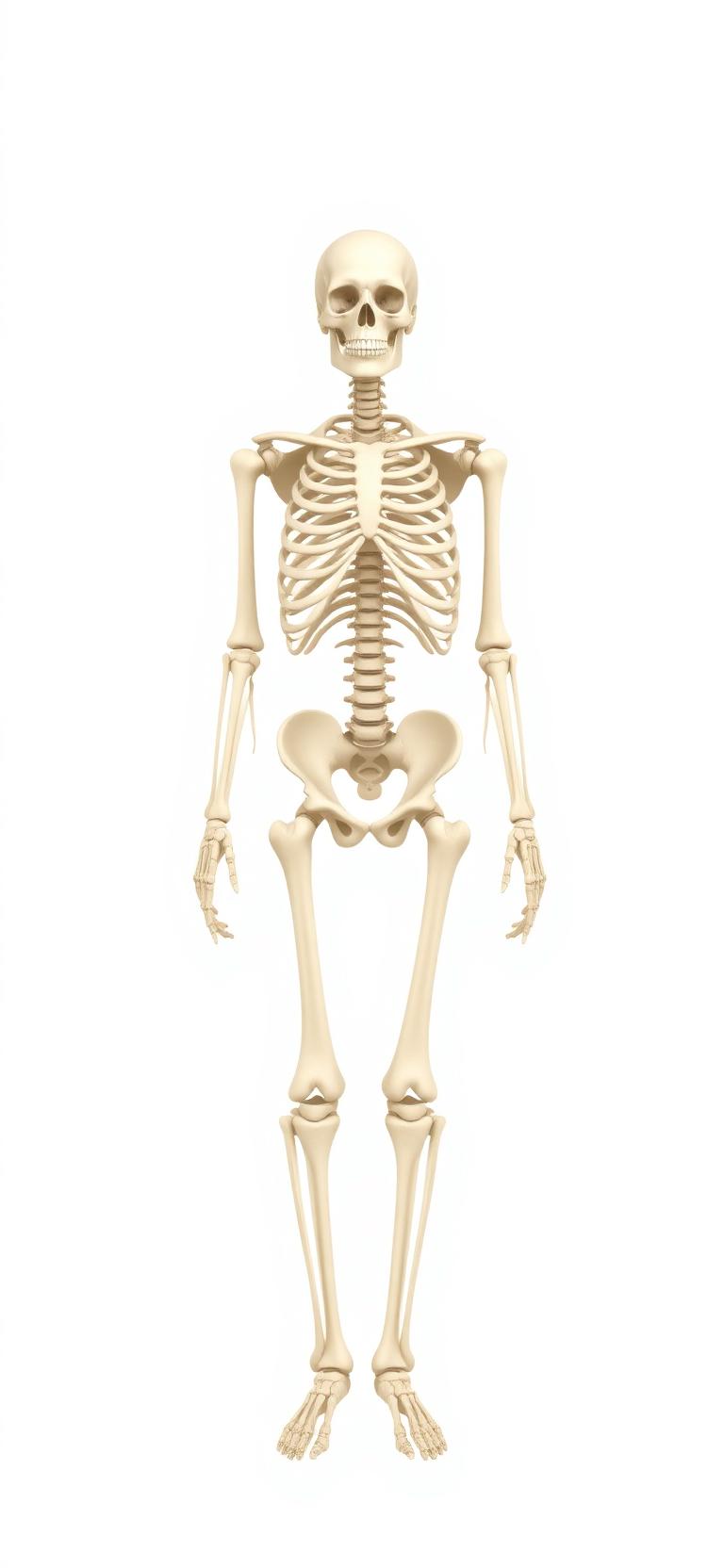
Anterior view — tap a highlighted region to open fracture management.
Upper extremity & shoulder girdle
Axial skeleton & pelvis
Lower extremity
Select a bone above to view fracture management.
Open fracture — universal ER bundle
1) Saline-moist gauze over wound; remove gross debris only. 2) Cefazolin 2 g IV (vancomycin if PCN allergic). Add aminoglycoside for grade III; add penicillin for soil/farm contamination. 3) Tetanus per CDC. 4) Photograph wound before dressing. 5) Reduce/splint and elevate. 6) Emergent ortho consult — OR irrigation & debridement ideally within 24 hours.
Compartment syndrome — red flags
5 P's (late): Pain out of proportion (earliest), Pain with passive stretch, Paresthesia, Pallor, Pulselessness (very late). Measure compartment pressures: Δp = DBP − compartment pressure. Δp <30 mmHg → emergent fasciotomy. Most common: tibial shaft, forearm, supracondylar humerus.
Joints needing emergent reduction
Hip dislocation (<6 hr to ↓ AVN), knee dislocation (vascular injury — get ABI and consider CTA), ankle fracture-dislocation (skin/NV at risk), any dislocation with neurovascular compromise, and open dislocations.